
The drilling deduction, explained
How the drilling deduction works.
A rule the tax code has carried since 1913, and why W-2 wages count.
Takes 15 seconds. No obligation.
Your call is booked
with from PetroVybe
The drilling deduction, explained
A rule the tax code has carried since 1913, and why W-2 wages count.
Takes 15 seconds. No obligation.
Your call is booked
with from PetroVybe
The rule
Intangible drilling costs are what it takes to drill and prepare a well for production: the work and services that leave nothing behind with a resale value. The tax code has let them be deducted against ordinary income since 1913.
They are most of the bill. Roughly 60 to 80 percent of total drilling costs are intangible, which is why the deduction is large relative to what goes in.
It is not a loophole or a new program. It is one of the oldest rules in the code.
Active income
Most write-offs
Offset passive income only.
Salary and bonuses keep their full tax bill.
This deduction
Targets active income.
W-2 wages and capital gains count.
PetroVybe's offering targets a tax deduction against ordinary and active income, applied to W-2 wages and capital gains. That makes it relevant in exactly the years people usually have nothing to set against: a big salary year, a bonus year, the year a business sells.
The deduction is a target, not guaranteed, and depends on each investor's own tax situation. Confirm with your CPA.
The tax year
The math
The minimum is $100,000. At that level the target is a deduction of roughly $70,000 in the year of the investment. What it is worth in tax depends on each investor's own bracket, which is a conversation for a CPA.
Target, not guaranteed. Not tax advice.
The calendar
There are fewer than two months left in 2026. A deduction meant for this year needs the money in before the year closes.
The asset
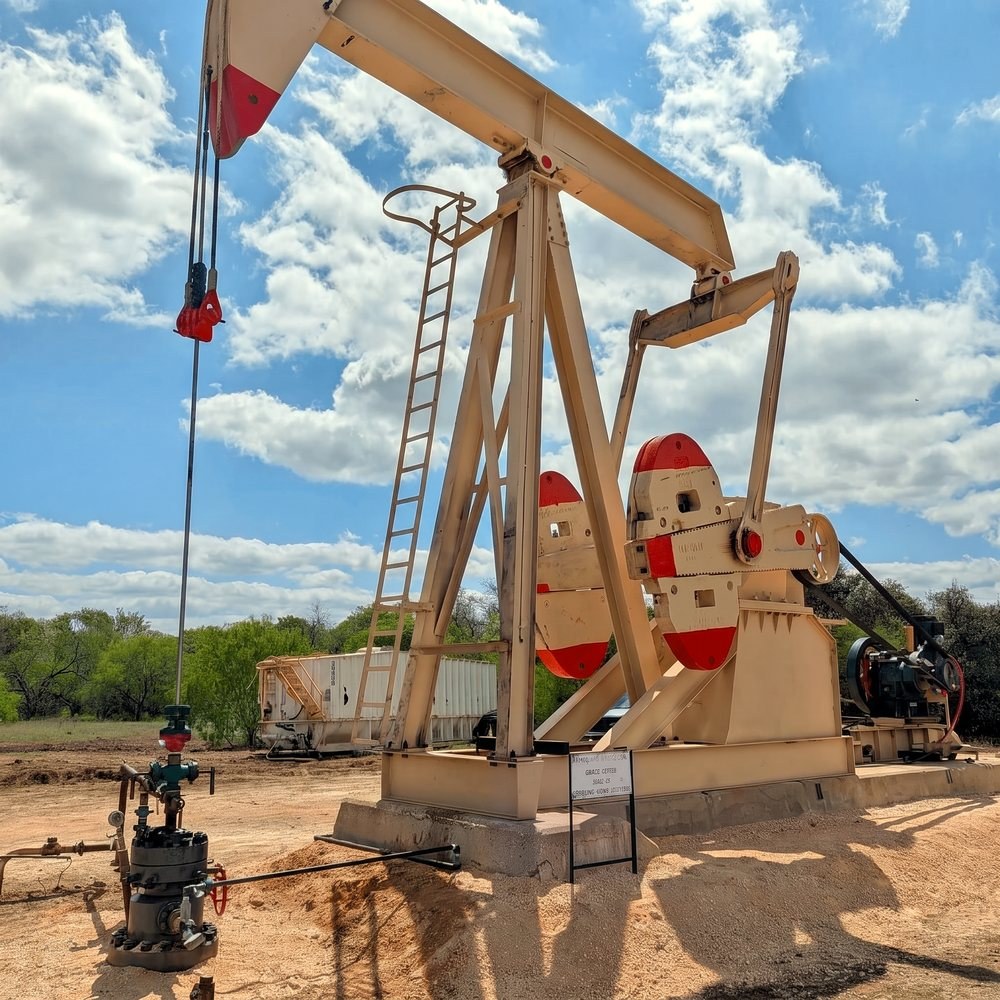
PetroVybe ONE is a Texas natural gas development, mostly dry gas and natural gas liquids, in the Gulf Coast Basin of South Texas.
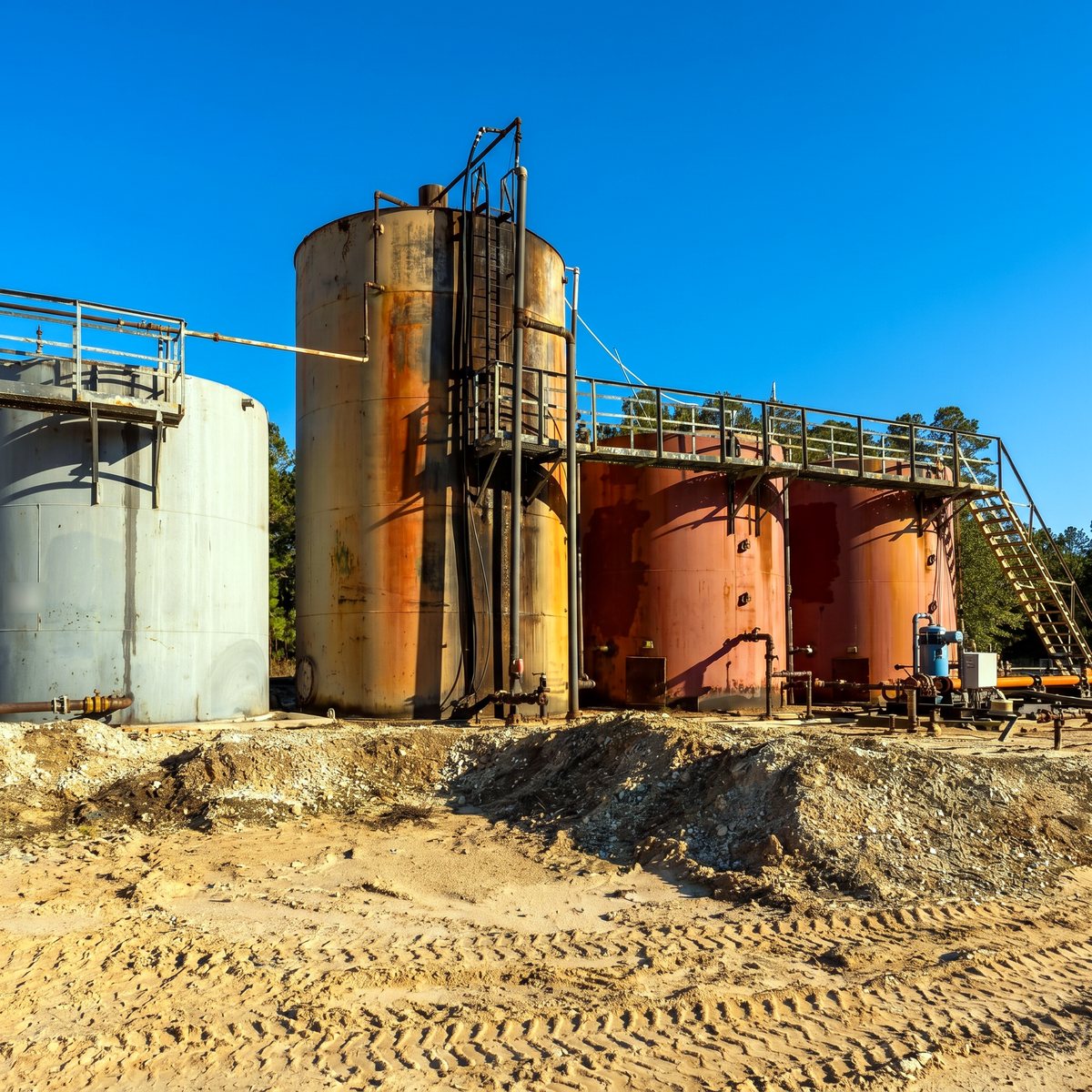
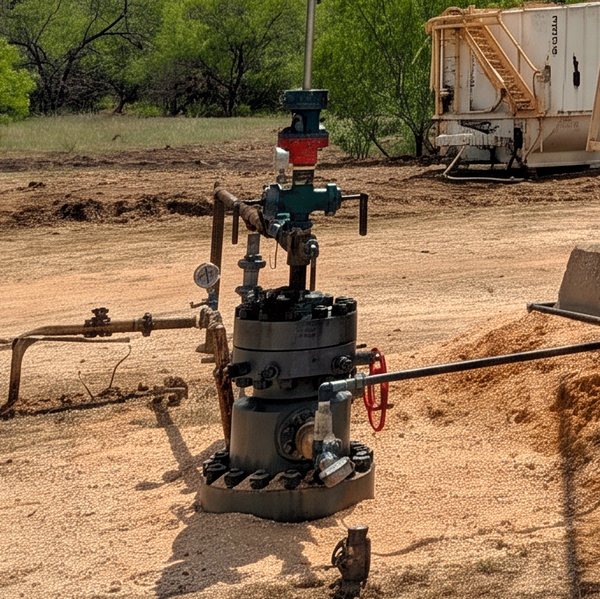
400producing wells in South Texas
58,000leased acres, roughly
Mar 2026third-party reserve report
Questions
The offering targets a deduction against ordinary and active income, and PetroVybe's materials apply it to W-2 wages and capital gains. Whether it applies to a specific return is a question for a CPA.
No. Intangible drilling costs have been deductible against ordinary income since 1913.
Partners receive a K-1 no later than March of the following tax year.
$100,000. Accredited investors only, under Reg D 506(c).
The target case runs ten years of cash distributions. It is not liquid.
PetroVybe starts from about 400 producing wells, not a single new hole, and the reserves were assessed in a third-party report in March 2026. Drilling still carries real risk, including loss of principal.
Next step
Four quick questions. If it fits, PetroVybe walks through the figures your CPA will need.
This offering is open to accredited investors placing $100,000 or more, so a call can't be booked from here. If that changes, text us and PetroVybe will pick it up.
Add it to your calendar so it isn't missed.
PetroVybe calls you shortly after you book. Please pick up. It comes from a real person, not a queue, and it is the fastest way to get your questions answered.
Questions?
Text usRun by a team with decades in these exact basins.






Four questions, then a 15 to 30 minute call. No obligation.
See if I'm eligible (15 sec)